Buying a trendy, original piece of clothing is about more than following the latest collections. The real challenge of fashion shopping is finding pieces that reflect your personal style while fitting in with what you already own. With online stores, thrift shops and second-hand platforms, the options have multiplied—and so have the risks of disappointing purchases.
Shopping second-hand online: what to check before you pay
Second-hand shopping is no longer just for weekend treasure hunters. Resale platforms have become a go-to way to find unique pieces at lower prices. A designer pair of trousers, a vintage dress you can’t find in stores, a raw denim jacket that’s already broken in—the selection is vast.
The problem is that a screen can’t replace the feel of a garment. Checking the item’s true condition before you buy takes a simple but thorough approach.
- Look closely at every photo. A listing with just one blurry image is a red flag. Ask for additional pictures of the seams, care label and worn areas (collar, underarms, hems).
- Read the platform’s return policy. Some guarantee a refund if the item doesn’t match the description; others don’t.
- Compare the asking price with the retail price of the same model. A second-hand item selling for barely less than its new price deserves a second thought, especially if it isn’t in pristine condition.
- Check the seller’s ratings. A track record of sales with positive feedback reduces the risk far more than a promise in the description.
These checks only take a few minutes. They can stop a bargain from turning into a disappointment, especially when you’re looking for a rare piece.
Fashion shopping and personal style: building a cohesive wardrobe
Ever noticed that after an impulsive shopping spree, half the pieces end up sitting in your closet? The problem is rarely the clothes themselves. It’s the lack of a common thread in your wardrobe.
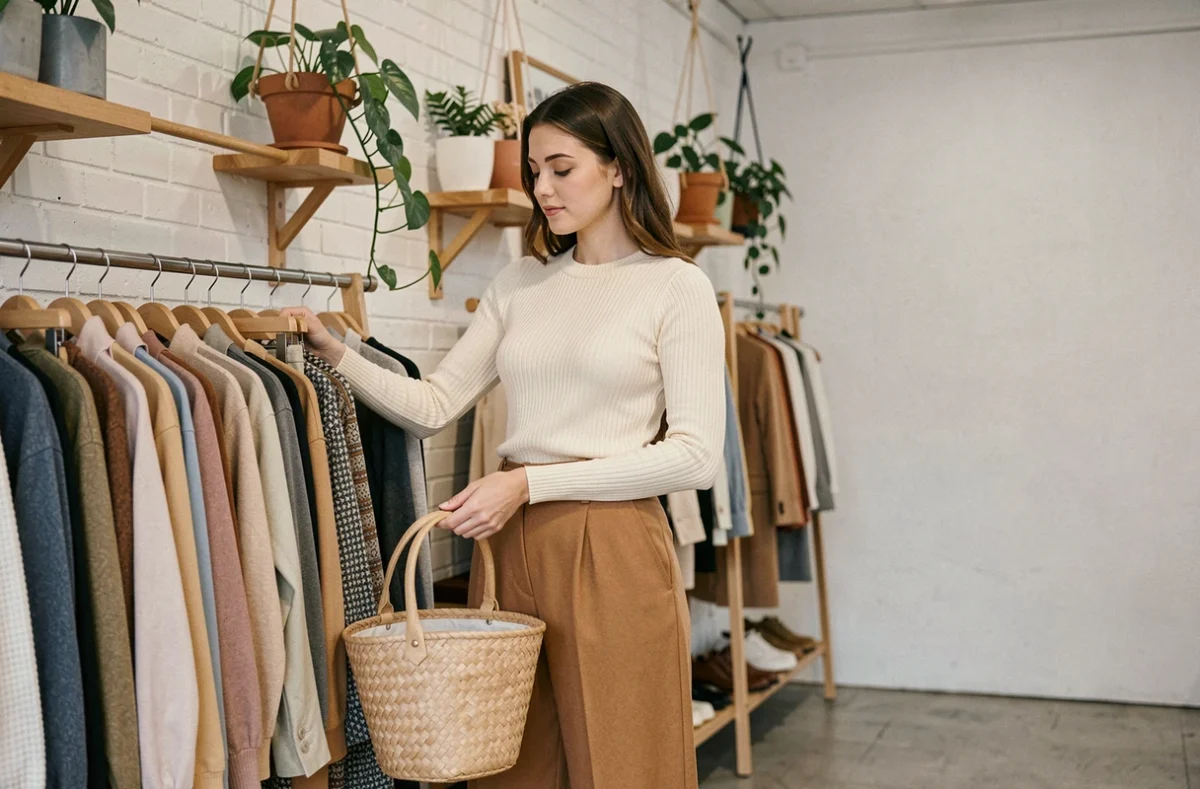
Before adding a trendy piece, take a look at what you actually wear. Not what you’d like to wear, but what you put on every week. The colors you keep coming back to, the cuts you feel comfortable in, the fabrics you can wear all day. A trendy piece is no use if it doesn’t go with anything else.
If you spot an original jacket at a thrift shop or on Mamzelle H’s official website, ask yourself a practical question: how many outfits you already own could you wear it with? If the answer is fewer than three, that impulse buy may end up forgotten on a hanger.
Picture the whole outfit first
Before you complete a purchase, picture a full outfit in your mind. Not an imaginary look built around pieces you don’t own yet, but a realistic combination using your current wardrobe. This habit naturally filters out unnecessary purchases.
For example, a pair of wide-leg beige linen trousers works with a basic white T-shirt and flat sandals. If you don’t have the right top or shoes, buying the trousers means buying two more items. Your budget balloons, and the “original” piece becomes a money pit.
Trendy pieces and durability: spotting what will last
Fast fashion produces clothes designed to last a season. The fabric pills after the third wash, the color fades, the seams come undone. Looking for original pieces also means thinking about how long they’ll last.
The fabric composition offers a reliable first clue. A blend with a significant proportion of natural fibers (cotton, linen, wool) will generally hold up better than a low-quality 100% synthetic fabric. Turn the garment inside out: even seams and neat finishing on the inside are signs of careful construction.
Repair rather than replace
A unique piece you love can tear or lose a button. Instead of throwing it away, repairing it extends its life. The Repair Bonus, launched in November 2023, lets you get a garment darned or altered at a lower cost by participating alteration specialists.
This habit changes the way you shop. Investing in a quality piece pays off if you know it can be cared for and repaired over several years. A well-cut pair of jeans that fits you perfectly is better than three trendy pairs worn for two months each.
Thrift shops, independent designers and markets: where to find original clothes
Major retailers sell the same styles in every city. To stand out, you need to explore other places to shop.
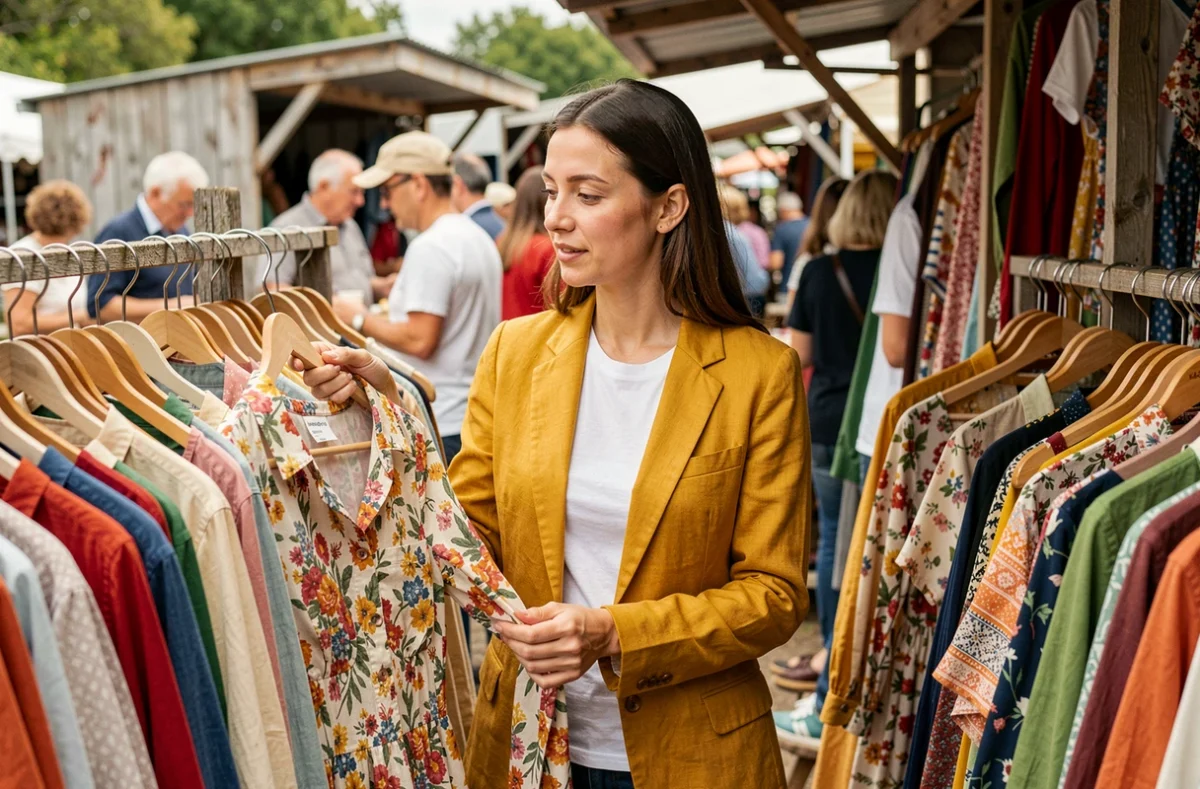
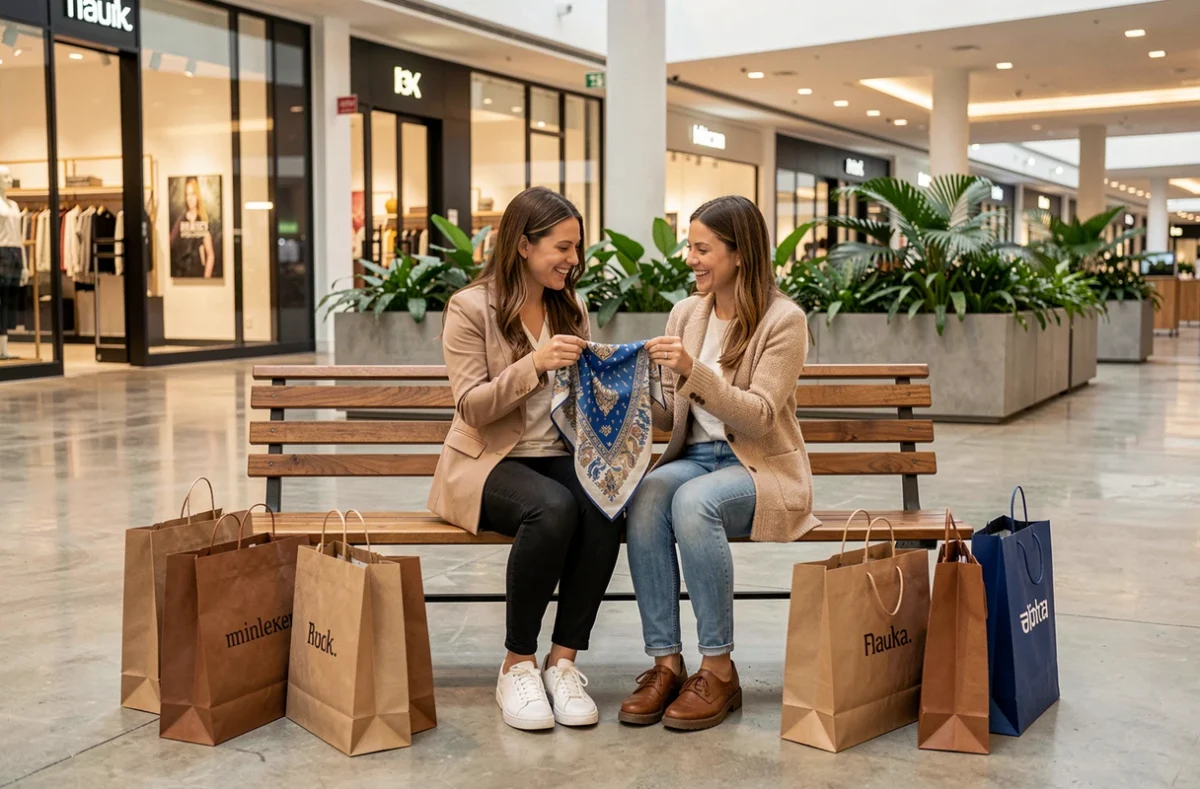
Brick-and-mortar thrift shops are still the best hunting grounds for one-of-a-kind pieces. Sorting through the racks takes time, but the reward is worth it: an ’80s dress you won’t find anywhere else, a leather jacket with a natural patina, a silk scarf from a fashion house no one stocks anymore.
Independent designers, often found at local markets or specialist online stores, offer pieces made in small batches. Small batches mean you’re unlikely to see someone else wearing the same thing. Prices are higher than at mass-market retailers, but the cut and finishing more than make up for it.
The most effective way to shop is to combine these sources. A foundation of quality basics (T-shirts, jeans, neutral trousers) paired with two or three statement pieces found at a thrift shop or from a designer is all you need to create a distinctive style. There’s no need to replace your entire wardrobe every season to look both original and on-trend.
Fashion shopping gets better when you buy less. Fewer purchases, chosen more carefully and checked more thoroughly: it’s the only strategy for building a wardrobe that’s both original and durable.