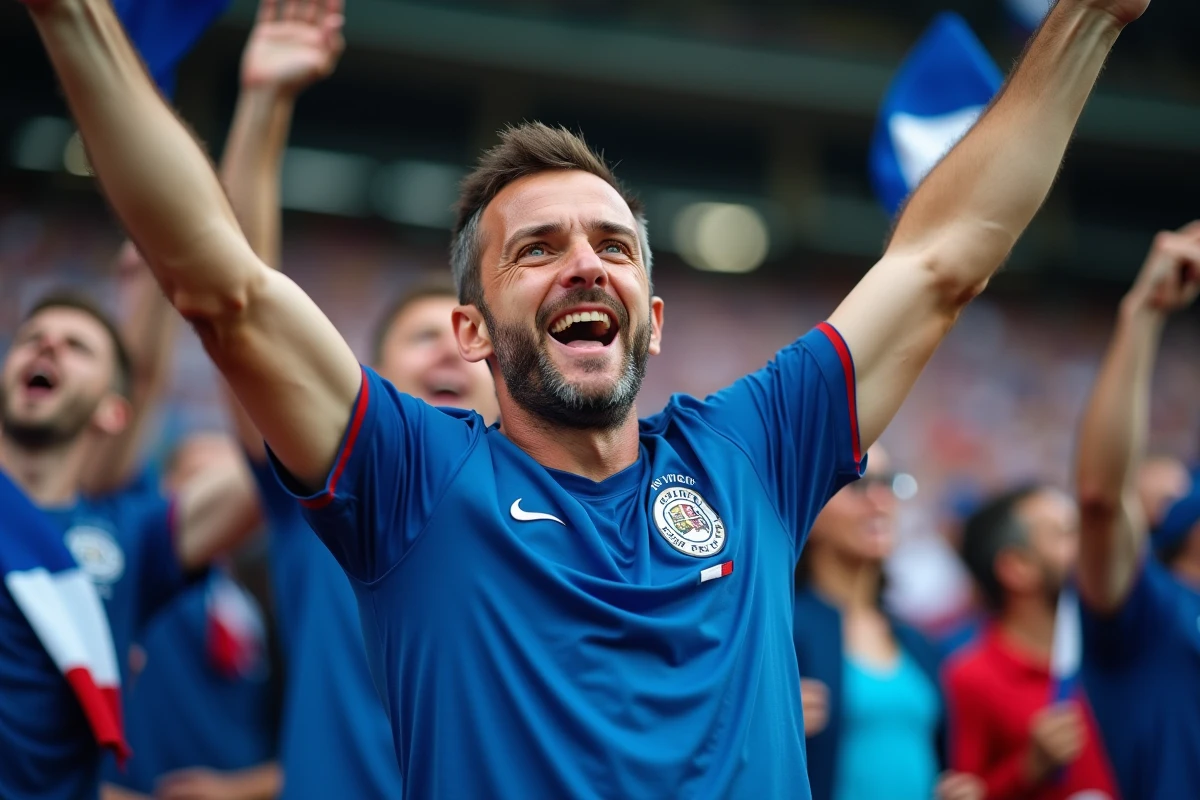
French football is not just about a Ligue 1 ranking or a results grid. Its culture is based on governance mechanisms, dynamics in the stands, and digital transformations that deeply restructure the relationship between clubs, supporters, and institutions.
Supporter liaison officers: an operational role still underestimated in France
Since 2022, several Ligue 1 and Ligue 2 clubs have structured supporter liaison officer (SLO) units with expanded missions. Where the position was once limited to an administrative interface, UEFA’s recommendations and the work of the National Supporters Association have pushed clubs to recruit dedicated profiles capable of managing mediation, supporting travel, and co-creating tifos.
We observe that this evolution is concretely changing internal governance. The SLO is no longer a mere figure in the organizational chart: they participate in security meetings, relay the demands of ultra groups, and negotiate the conditions of reception during away matches. The specialized press regularly covers these topics, and resources like https://www.11lemagazine.fr/ address these issues through long formats.
The problem remains funding. Ligue 2 clubs, with tighter budgets, struggle to maintain a full-time position. The SLO is sometimes absorbed by the communication department, which undermines the function’s primary mission: being close to fans on the ground.
Fan tokens and the commercialization of football passion
The proliferation of fan tokens through platforms like Socios.com has opened a controversial front in French football between 2022 and 2024. These digital assets promise supporters a voting right on minor decisions (choice of the third jersey, players’ entrance music), but their value fluctuates like any speculative product.
The Financial Markets Authority (AMF) has issued several warnings about these products. The risk is twofold: on one hand, supporters invest real money in tokens whose value can plummet; on the other, clubs monetize an emotional connection that previously relied on stadium subscriptions and jersey purchases.
This debate extends beyond France. In Italy and Southern Europe, similar dynamics have provoked reactions from supporters’ associations. The French specificity lies in the speed with which financial authorities positioned themselves, which has slowed massive adoption without outright banning these products.
Responsible supporterism: the LFP between repression and dialogue
Since the 2023-2024 season, the LFP has evolved its responsible supporterism framework in collaboration with the Ministry of Sports. The approach marks a shift from the purely repressive logic of the early 2010s, when collective travel bans were the default response.
The new framework is based on several concrete axes:
- Charters co-written with supporters’ associations, detailing rights and obligations in the stands, including conditions for the use of flares under pilot protocols
- Graduated and individualized sanctions, gradually replacing collective punishments that penalized thousands of fans for the actions of a few
- Harmonized anti-violence protocols between prefectures, to avoid disparities in treatment from one city to another
This evolution is not universally accepted. Some prefects continue to favor travel bans, arguing an immediate security risk. The dialogue remains fragile and largely depends on local willingness.
Digital media and football culture: beyond television
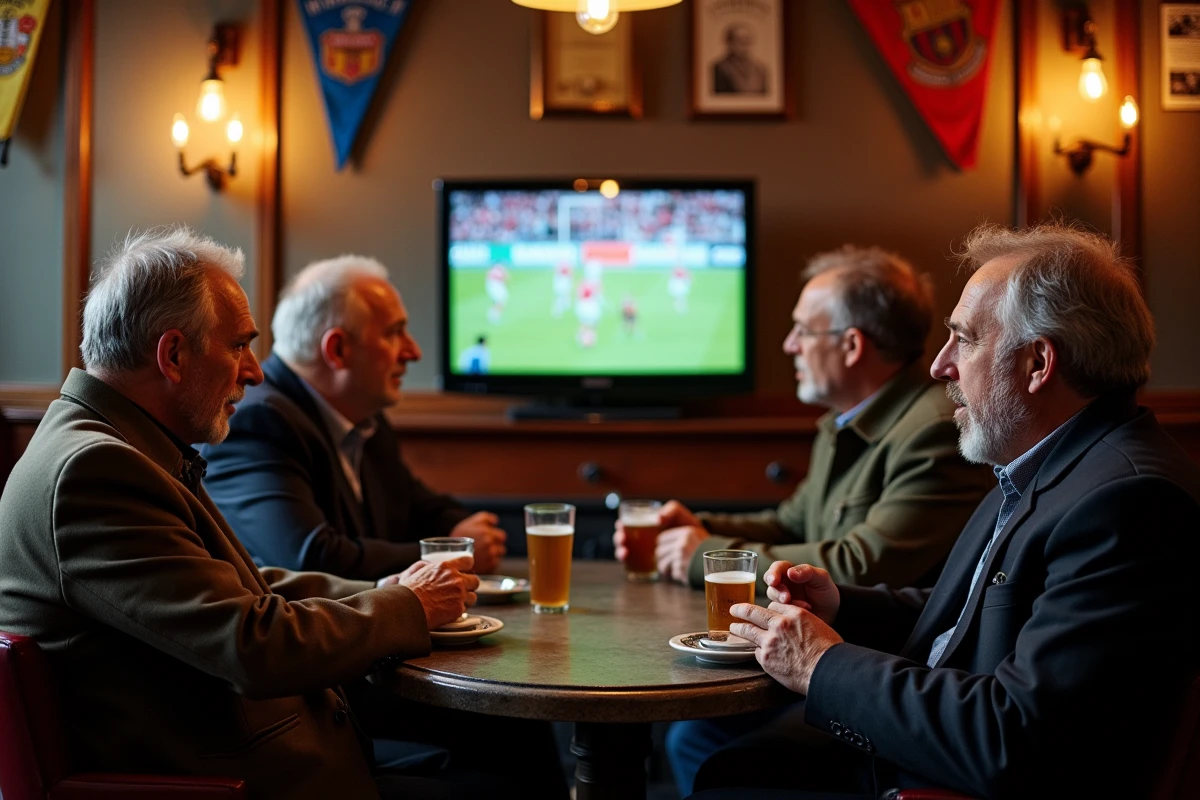
The media landscape of French football has fragmented at a speed that traditional broadcasters did not anticipate. Specialized podcasts, tactical YouTube channels, and analytical accounts on social media now capture an audience that linear television loses season after season.
This mutation has a direct effect on football culture. Today’s informed supporter no longer settles for match summaries: they consume tactical analysis, documentaries on club history, and content about the associative life of fan groups.
We see that this evolution also pushes clubs to produce their own content. Internal communication services are becoming almost editorial offices, with video formats, podcasts, and newsletters that bypass traditional media. The club becomes its own media, with all the biases this implies regarding editorial independence.
The network between local associations, organized supporter groups, and independent media constitutes the real fabric of football culture in France. This fabric does not show up in television audience figures, but it is what fills the stands, organizes travel, and transmits passion from one generation to the next. The next step, for both governing bodies and clubs, will be to recognize this informal infrastructure as a full-fledged actor in the ecosystem.